
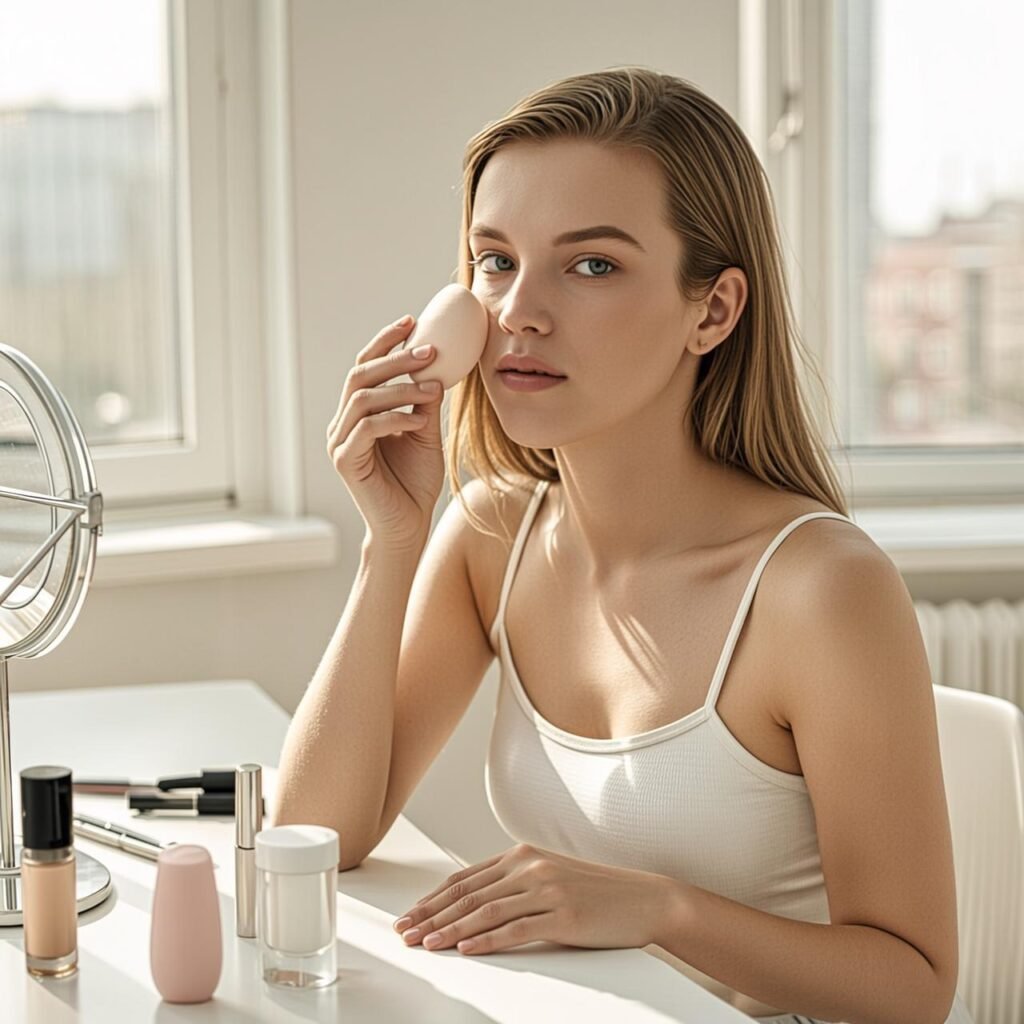

Starting your beauty journey can feel overwhelming, but learning the best makeup tips for beginners can make the process incredibly fun and rewarding. We have all been there—staring at a massive collection of foundations, eyeshadows, and brushes, completely unsure of what goes where. It is completely normal to feel intimidated by complex tutorials and endless product options. However, mastering makeup doesn’t require a professional certification; it simply requires understanding a few foundational rules.
When you know the right techniques, you can enhance your natural beauty, boost your confidence, and get out the door in under ten minutes. The secret to a flawless face isn’t about piling on heavy products; it is about prep, placement, and blending. If you are looking for visual step-by-step guides, be sure to explore our Pinterest boards for endless beauty inspiration. In this comprehensive guide, we will walk you through the top 10 essential makeup tips for beginners that will completely transform your daily routine.
Why Mastering Makeup Basics Matters

Before diving into the specific makeup tips for beginners, it is important to understand why mastering the basics is crucial. Without a solid foundation, advanced techniques will never look right. Think of your face as a canvas; if the canvas is cracked and dry, the paint won’t apply smoothly. Similarly, if you try to apply highlighter over un-prepped skin, it will look chalky and uneven.
By learning the basics, you save yourself time, money, and frustration. You will learn which products are actually worth investing in and which ones you can skip. You will also avoid common beginner mistakes, such as using the wrong shade of foundation or applying blush too high on the cheeks. A strong foundation allows you to create a range of looks, from a minimalist makeup routine for the office to a glamorous evening look, with ease and confidence.
Top 10 Makeup Tips for Beginners
Here are the ten golden rules every beginner needs to know to achieve a flawless, natural-looking face.
1. Skincare Comes First

The most important of all makeup tips for beginners is this: makeup looks best on well-cared-for skin. Before you even touch a foundation, ensure your face is freshly cleansed and moisturized. Apply a lightweight moisturizer and let it fully absorb into your skin for about five minutes before starting your makeup. This prevents your foundation from clinging to dry patches and gives it a smooth, hydrated base to grip onto. If you skip skincare, your makeup will look cakey and unnatural, no matter how expensive your products are.
2. Always Use a Primer

Many beginners skip primer, thinking it is an unnecessary extra step. However, primer is the secret to long-lasting makeup. Think of primer as double-sided tape for your face—it holds onto your skincare underneath and gives your foundation something to stick to on top. If you have oily skin, opt for a mattifying silicone primer. If you have dry skin, choose a hydrating, glow-boosting primer. Apply a pea-sized amount all over your face, focusing on areas where your makeup tends to wear off quickly, like the T-zone.
3. Find Your Exact Foundation Shade

Wearing the wrong foundation shade is the most common beginner mistake. A foundation that is too light will make you look ghostly, while one that is too dark will leave a harsh line along your jaw. To find your perfect match, test the foundation along your jawline in natural daylight. It should blend seamlessly into your neck and chest. If you are between shades, always opt for the slightly lighter one—you can warm up your face later with bronzer.
4. Apply Foundation in Thin Layers

When it comes to foundation, less is definitely more. A common beginner error is applying a thick layer of foundation all over the face to achieve full coverage. This actually highlights texture and pores. Instead, apply a small amount of foundation to the center of your face (nose, cheeks, and forehead) and blend it outwards using a damp beauty sponge or a dense foundation brush. Build up the coverage gradually only in areas where you need more coverage. If you want a completely sheer, glowing base, you can learn how to achieve it with our glass skin makeup tutorial for beginners.
5. Use Concealer Correctly

Concealer is not meant to be applied all over the face; it is meant to target specific areas. For under-eye circles, choose a concealer that is one to two shades lighter than your foundation to brighten the area. Apply it in a upside-down triangle shape under your eyes and blend it out with a damp sponge. For blemishes or redness, use a concealer that exactly matches your foundation and dab it directly onto the spot. Let it sit for a minute before blending to allow the product to thicken, providing better coverage.
6. Blend Downward on the Face

When blending foundation, concealer, or powder, always blend in downward strokes. Why? Because the tiny hairs on our faces (often called peach fuzz) grow downward. If you blend upward, you push the makeup against the hair follicles, making the makeup look textured and obvious. Blending downward ensures the makeup lays flat against the skin, creating a smooth, airbrushed finish.
7. Set Your Makeup with Powder

To prevent your hard work from creasing or sliding off, setting your makeup with powder is essential. However, you don’t need to powder your entire face, especially if you have dry skin. Focus only on areas that tend to get oily or where makeup creases, such as the T-zone (forehead, nose, and chin) and directly under the eyes. Use a small, fluffy brush to press a finely milled translucent powder into the skin. Pressing is better than sweeping, as it locks the makeup in place without moving it around.
8. Don’t Forget the Eyebrows

Eyebrows frame the face and instantly make you look more polished, even if you aren’t wearing any other makeup. For beginners, a brow pencil or brow gel is the easiest product to use. Choose a shade that matches your natural hair color. Use short, light, hair-like strokes to fill in any sparse areas, focusing on the arch and the tail of the brow. Avoid drawing a heavy, solid line, which looks unnatural. Brush the hairs upward with a spoolie to blend the product and create a fluffy, textured look. If you want to keep your overall look simple, check out these natural makeup looks for beginners for inspiration.
9. Place Blush Correctly

Blush adds life and dimension back to the face after you have applied foundation, but applying it in the wrong place can drag your features down. A great tip for beginners is to smile to find the apples of your cheeks. Apply the blush slightly above the apples, sweeping it back towards your hairline. Avoid applying blush too close to your nose or too low on your cheeks, as this can make your face look droopy. Cream blushes are highly recommended for beginners because they are incredibly easy to blend and give a natural, dewy finish.
10. Always Remove Your Makeup Before Bed

The final and most crucial rule of all makeup tips for beginners is proper removal. Sleeping in your makeup clogs pores, traps bacteria, and leads to dull, aging skin and breakouts. Invest in a good makeup remover, micellar water, or cleansing balm. Gently massage the remover over your face to dissolve the makeup, then follow up with a gentle facial cleanser to wash it all away. Finish with your nighttime moisturizer to let your skin repair itself overnight.
Common Beginner Mistakes to Avoid

Even with the best tips, it is easy to make mistakes. Here are a few extra things to watch out for as you practice:
- Using Dirty Brushes: Dirty makeup brushes harbor bacteria and make makeup application streaky. Wash your brushes with a gentle shampoo or brush cleaner at least once a week.
- Matching Foundation to Your Hand: The skin on your hand is a different color and texture than the skin on your face. Always test foundation on your jawline.
- Skipping Lip Liner: If you struggle with lipstick bleeding into the fine lines around your mouth, a lip liner will act as a barrier and keep your lip color sharp all day.
- Applying Makeup in Bad Lighting: Always apply your makeup in natural daylight if possible. Yellow indoor lighting can make you apply too much blush or the wrong shade of foundation.
To stay updated on the latest beauty trends, product recommendations, and daily advice, be sure to follow our Facebook page where we share daily updates!
Frequently Asked Questions (FAQs)
1. What are the most important makeup tips for beginners?
The most important makeup tips for beginners are to prioritize skincare prep, apply foundation in thin layers, find the exact shade match for your skin, and always blend downward. Additionally, setting makeup with powder and properly removing it at night are crucial for a flawless look and healthy skin.
2. What should a beginner buy for makeup?
A beginner does not need a massive makeup kit. Start with the essentials: a moisturizer, a primer, a lightweight foundation or BB cream, a concealer, a neutral eyeshadow palette, a black or brown mascara, a cream blush, a tinted lip balm, and a translucent setting powder. A damp beauty sponge is also a must-have tool for seamless blending.
3. How do I make my makeup look natural?
To make makeup look natural, avoid heavy, full-coverage foundations. Instead, use a BB cream or skin tint and only apply concealer where absolutely necessary. Focus on cream products, like cream blush and bronzer, as they melt into the skin and mimic a natural flush. Blend everything thoroughly to avoid harsh lines.
4. Do I really need to use a makeup primer?
Yes, you do. Makeup primer acts as a base that smooths out the skin’s texture, fills in pores, and gives the foundation something to grip onto. It drastically increases the longevity of your makeup, preventing it from melting off or creasing throughout the day.
5. How do I choose the right foundation shade?
To choose the right foundation shade, test a few shades on your jawline in natural daylight. The correct shade will disappear into your skin and match your neck perfectly. If you are torn between two shades, choose the one that is slightly lighter, as you can always warm up your face with bronzer.
Conclusion

Learning how to apply makeup is a journey, and every makeup artist started exactly where you are right now. By following these 10 essential makeup tips for beginners, you will build a strong foundation of skills that will make your daily beauty routine effortless and enjoyable. Remember to prioritize your skincare, invest in the right basic products, and take your time blending. Don’t be afraid to make mistakes, as they are the best way to learn. With a little patience and practice, you will be creating flawless, beautiful makeup looks in no time!