Blonde balayage is the most requested color service in US salons, and the reason is simple: hand-painted lightness grows out soft, needs fewer touch-ups than full color, and flatters almost every natural base. The catch is tone — honey and ash are different relationships entirely. The 18 blonde balayage shades below run the full warm-to-cool range, so find yours, then save the card to Pinterest.
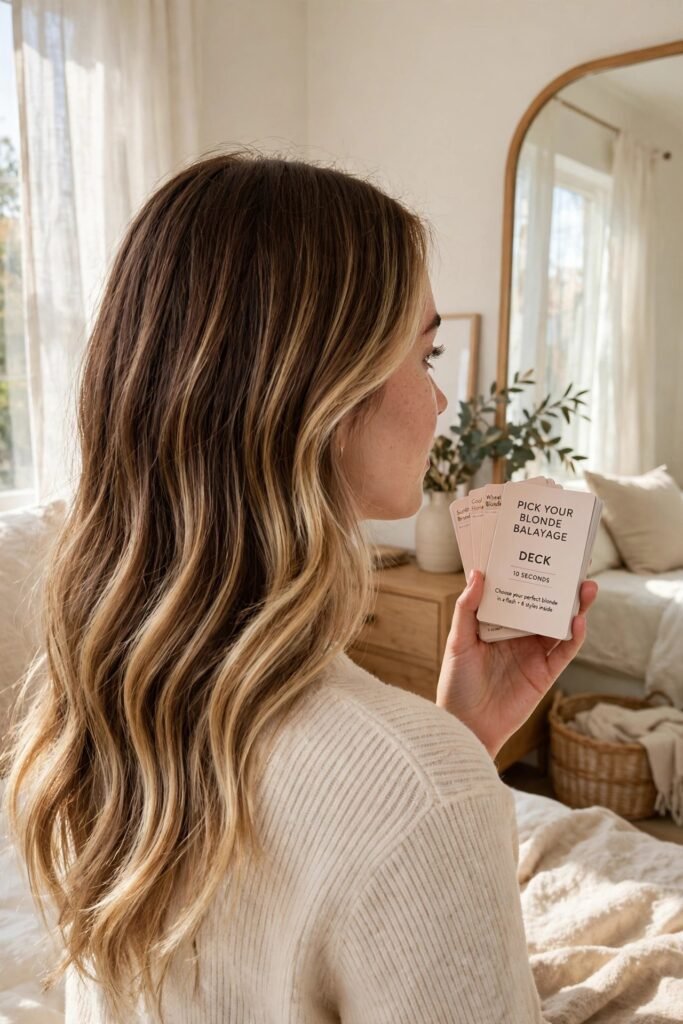
Pick Your Blonde Balayage Deck in 10 Seconds

Flip your wrist and check your veins: blue or purple means cool undertones and the cool deck will love you back; green means warm, and the warm deck is your lane; a mix means neutral, and every deck on the card is open. Then match the tone to your personal style — sun-washed denim suits the warm deck, city-minimalist tailoring suits the neutrals, and the statement deck is for anyone whose color should arrive before they do. Still stuck? Neutrals forgive everything, and no blonde balayage on this card can derail a glow-up the way a wrong full-head dye can — painted pieces can always be re-toned. Now browse the hair color ideas below with your natural root in mind: the darker the base, the more the cool decks will owe you in upkeep.
Tell us which deck you picked on our Facebook page — the comments run half colorist consult, half hype squad.
Warm Blonde Balayage: Honey, Caramel and Gold

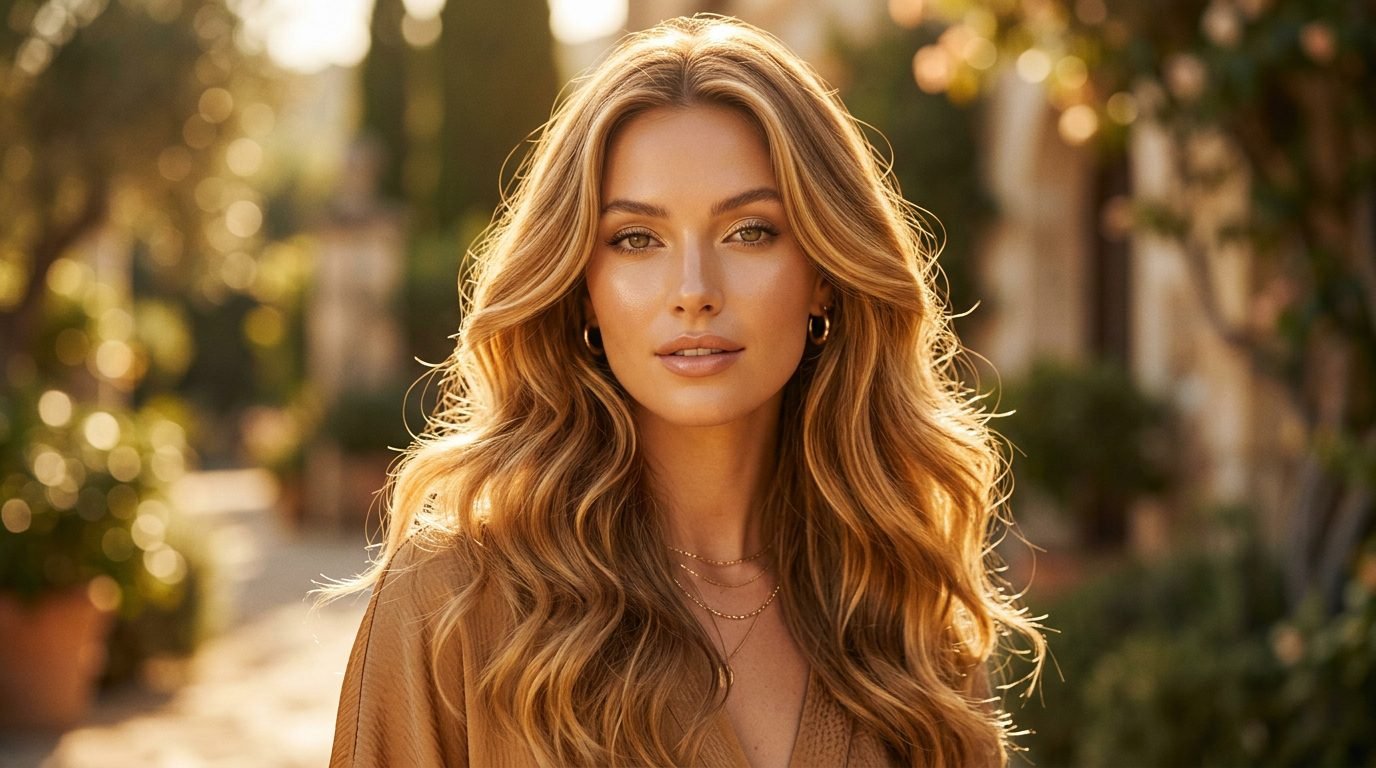
The warm deck is where most first-time blonde balayage clients land, because honey and caramel tones flatter the widest range of bases — they are the natural next step from brown hair color ideas toward the light. Warm blondes read sun-made rather than salon-made, and they fade gracefully. Five shades below, sorted sweet to deep.
1. The Honey Melt

Honey balayage paints warm golden ribbons from the mid-lengths down, leaving the root natural so the grow-out stays invisible for months. It is the softest way for brunettes to go lighter without bleach fatigue, and it flatters warm and olive skin tones best. Think of it as one step softer than full honey blonde hair — lit from within, not dyed on top. Gloss it every eight weeks and it stays expensive-looking.
2. The Caramel Ribbon

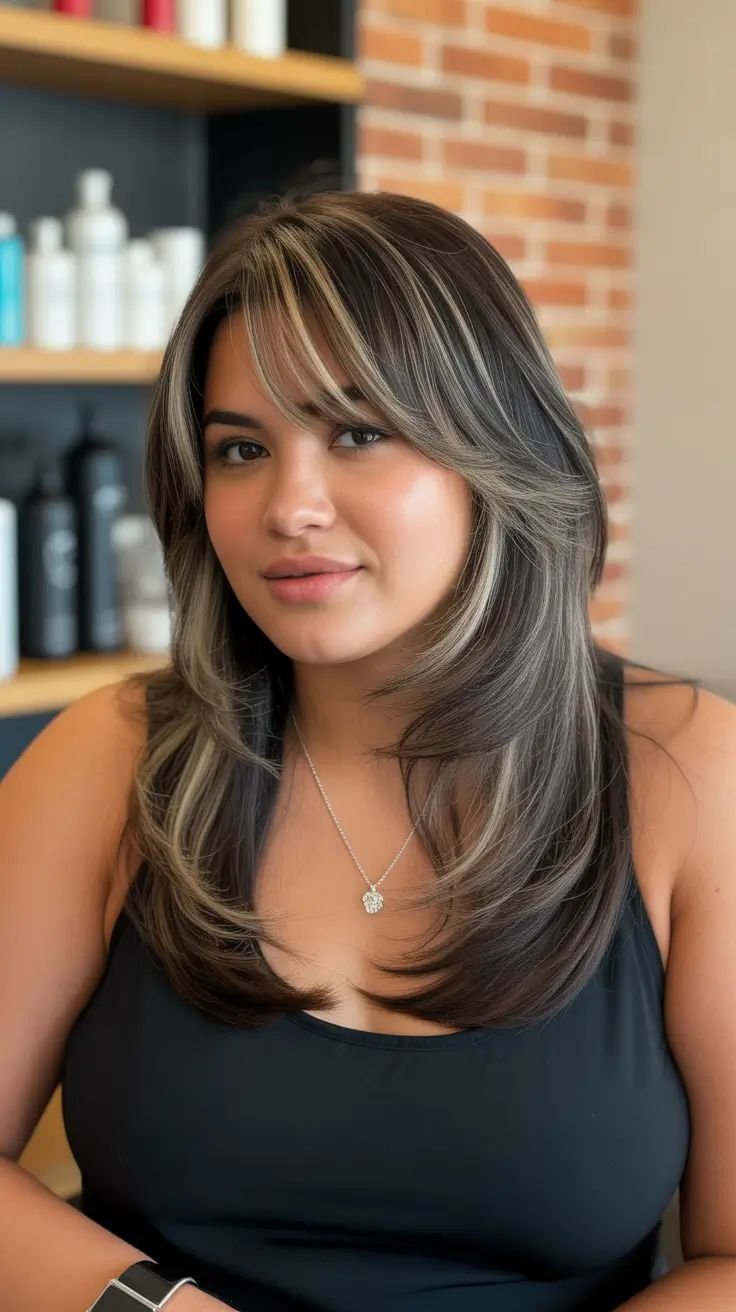
Thick, buttery caramel slices through the mid-lengths give dark bases instant dimension, especially on layered hair where every ribbon gets its own highlight. The tone sits between gold and toffee, so it warms cool complexions without going brassy. Ask your colorist for fewer, bolder ribbons rather than scattered bits — that is what keeps the stripe effect rich. Root shadow optional; touch-ups twice a year.
3. The Golden Hour

This one is pure warm sunshine — a golden wash painted brightest around the face and crown, like your hair spent a summer outside. It reads casual on straight textures and outright glowing on waves, and it is the most forgiving tone in the deck for growing out. Skip the purple shampoo here; golden tones want warmth, so a color-depositing gloss keeps the glow instead of stripping it.
4. The Butterscotch Swirl
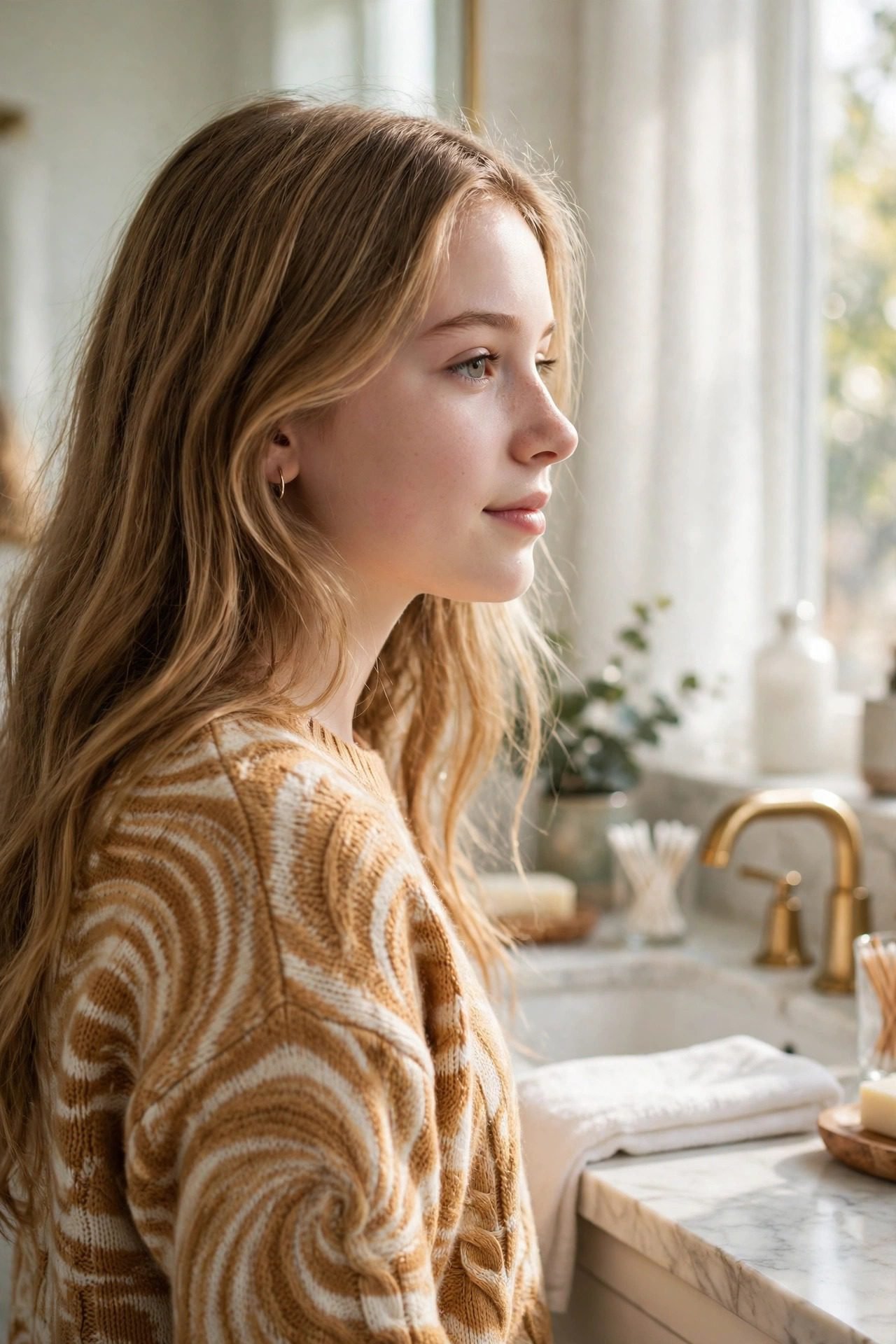
Butterscotch mixes honey and caramel in one pour, so the light hits in two temperatures at once — sweet up close, expensive from across the room. It is the rare warm shade that flatters neutral and cool undertones too, because its two tones cancel each other’s extremes. Best on medium-brown to dark-blonde bases with at least two levels of lift. Deep-condition weekly; buttery tones fade flat when hair runs dry.
5. The Bronde Blend
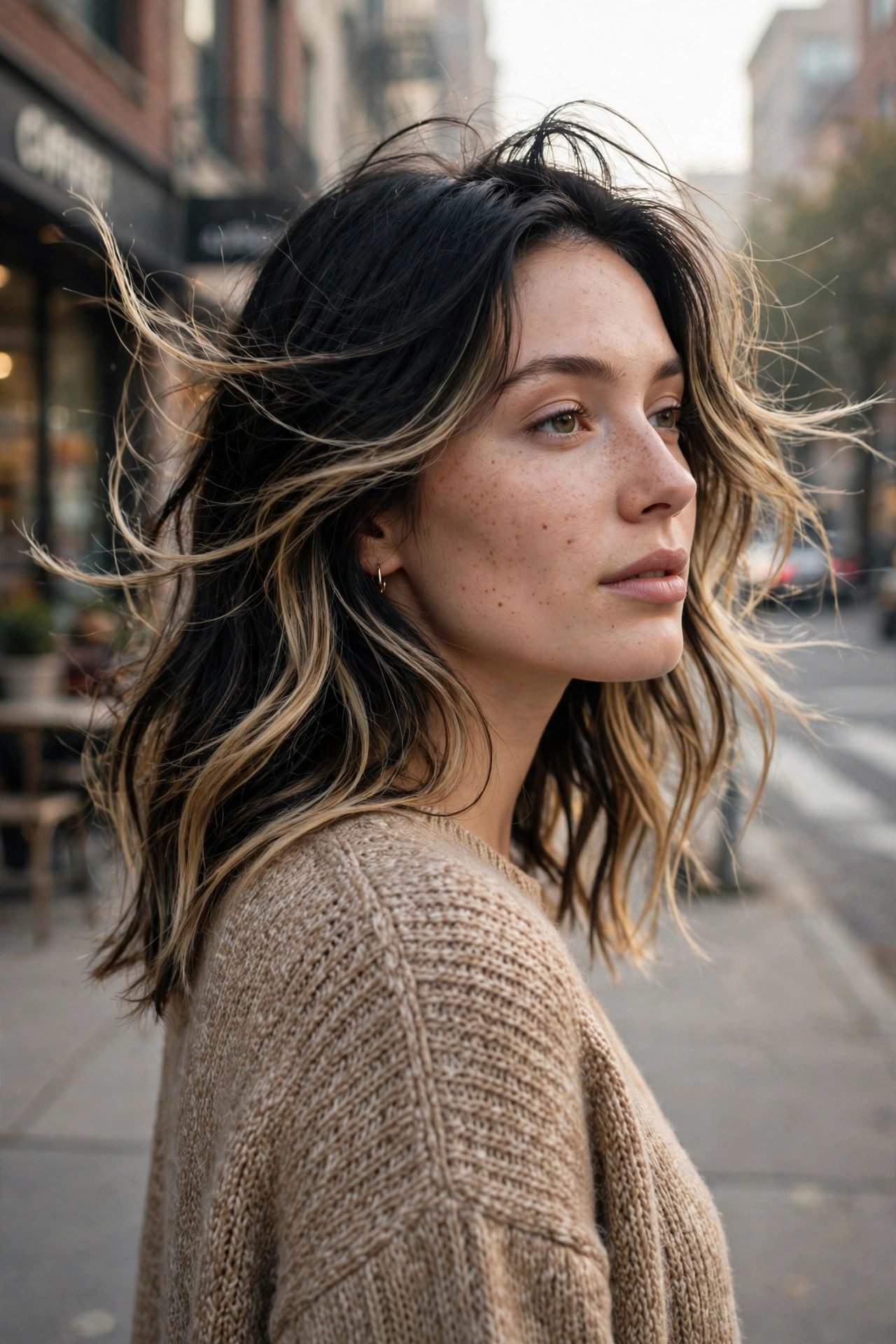
Bronde is the halfway house between brown and blonde, and the lowest-commitment look in the whole deck. Painted light brown hair melts into soft blonde ends with no hard line anywhere, so regrowth never announces itself. It suits almost every skin tone and survives skipped salon months gracefully. If you want lighter hair without looking like you colored it, start here.
Neutral Blonde Balayage: Beige, Champagne and Mushroom
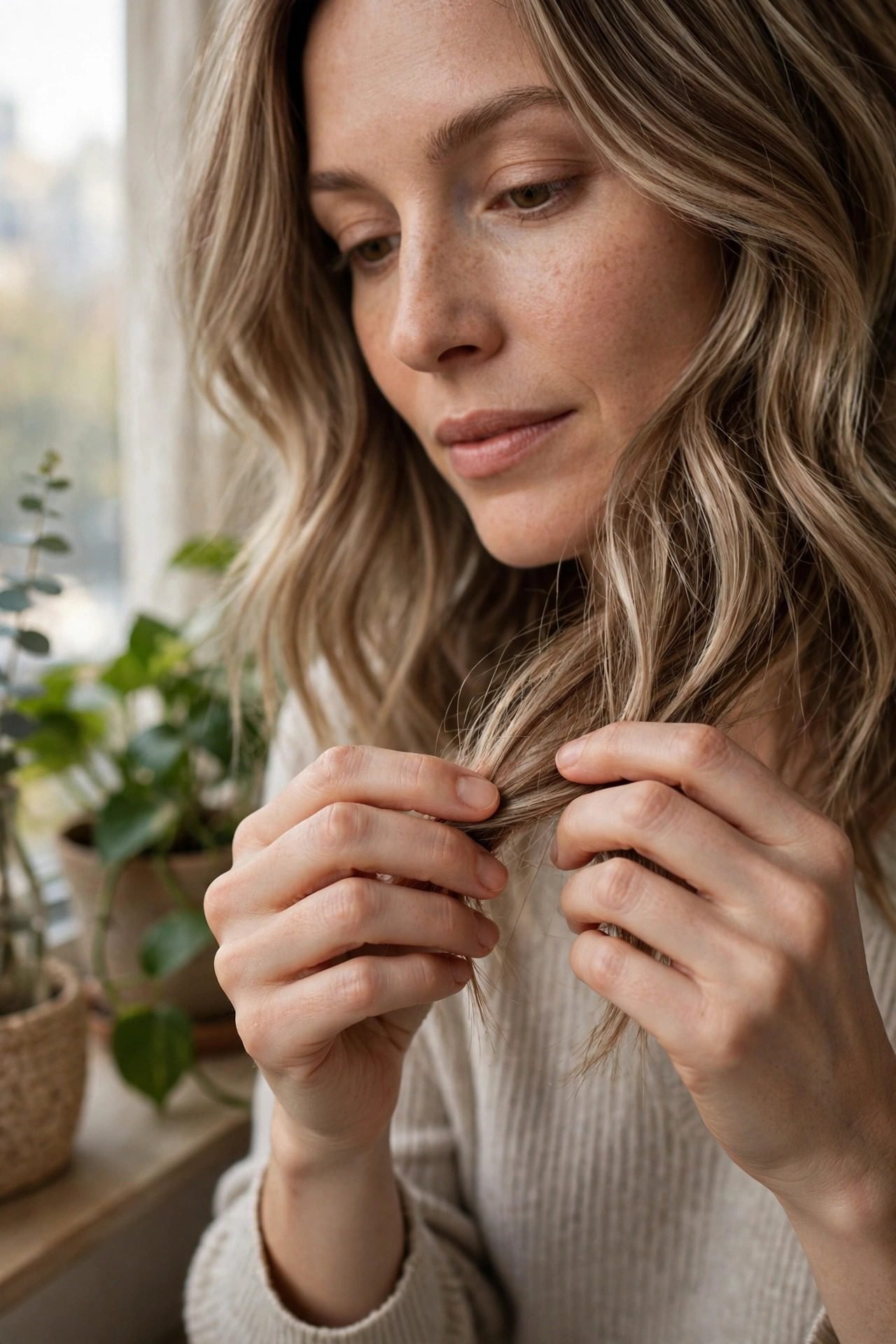
Neutral blonde balayage lives in the beige-through-mushroom zone: blondes with the warmth dialed to zero and the polish dialed all the way up. These shades flatter the most skin tones, photograph cleanest, and ask the most of your toner schedule. If you want expensive rather than beachy, start in this chapter.
6. The Beige Wash
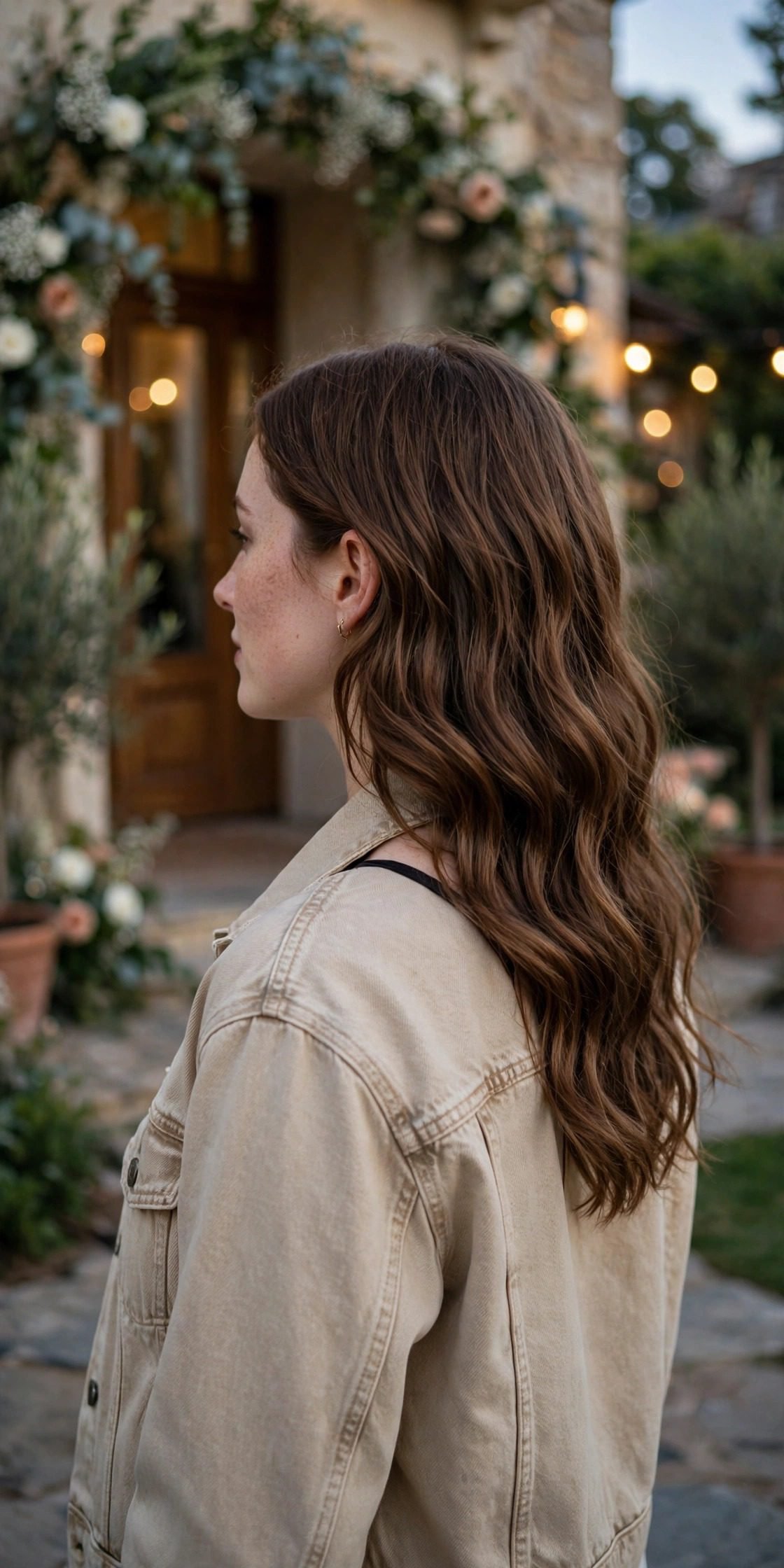
Beige is what colorists mean when they say expensive — a perfectly balanced neutral with the warmth turned down and the shine turned up. It flatters pink, olive, and everything between, which is why it photographs like a filter. The trade is upkeep: beige needs a toner refresh every six to eight weeks to stay put. It is also the most bridal-safe shade on the card — think smooth, tucked wedding hairstyles where the color does the shining.
7. The Champagne Pour

Champagne sits one whisper warmer than beige — pale gold cut with a drop of silver — and it pours best over wavy hair, where the tone shifts with every bend. It flatters medium skin tones and neutral undertones hardest, and it makes fine hair look liquid. Champagnes drift brassy faster than most shades here, so a weekly purple mask is part of the deal.
8. The Mushroom Fade
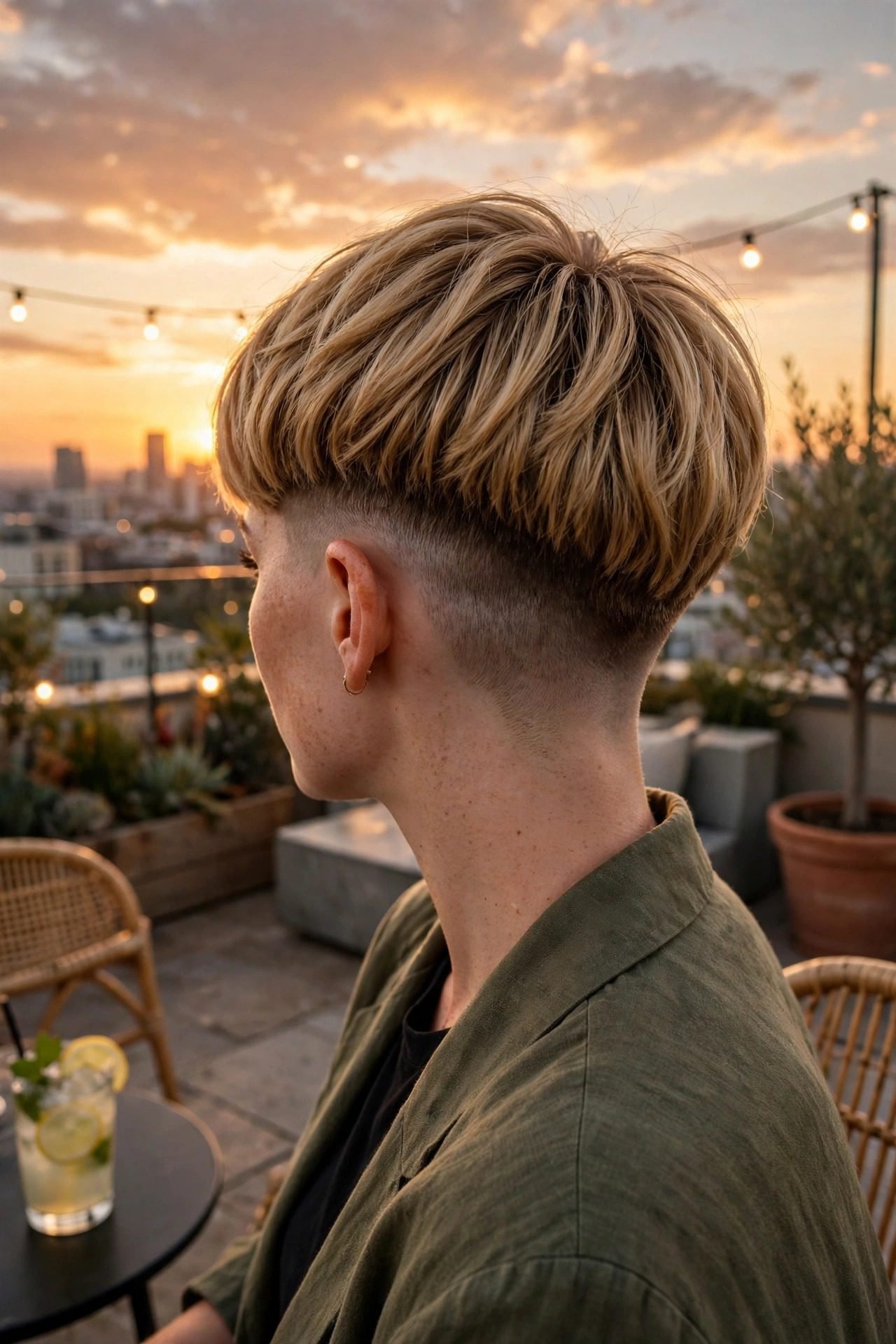
Mushroom blonde is the cool-girl gray-beige that took over salons, built on a smoky root that fades into ashy champagne ends. It is the most modern tone in this guide and the most forgiving on grown-out roots — the shadow root is the point. Skin with pink or cool undertones wears it best. Book a toner every six weeks; mushroom drifts warm quicker than any other shade here.
9. The Sand Dollar
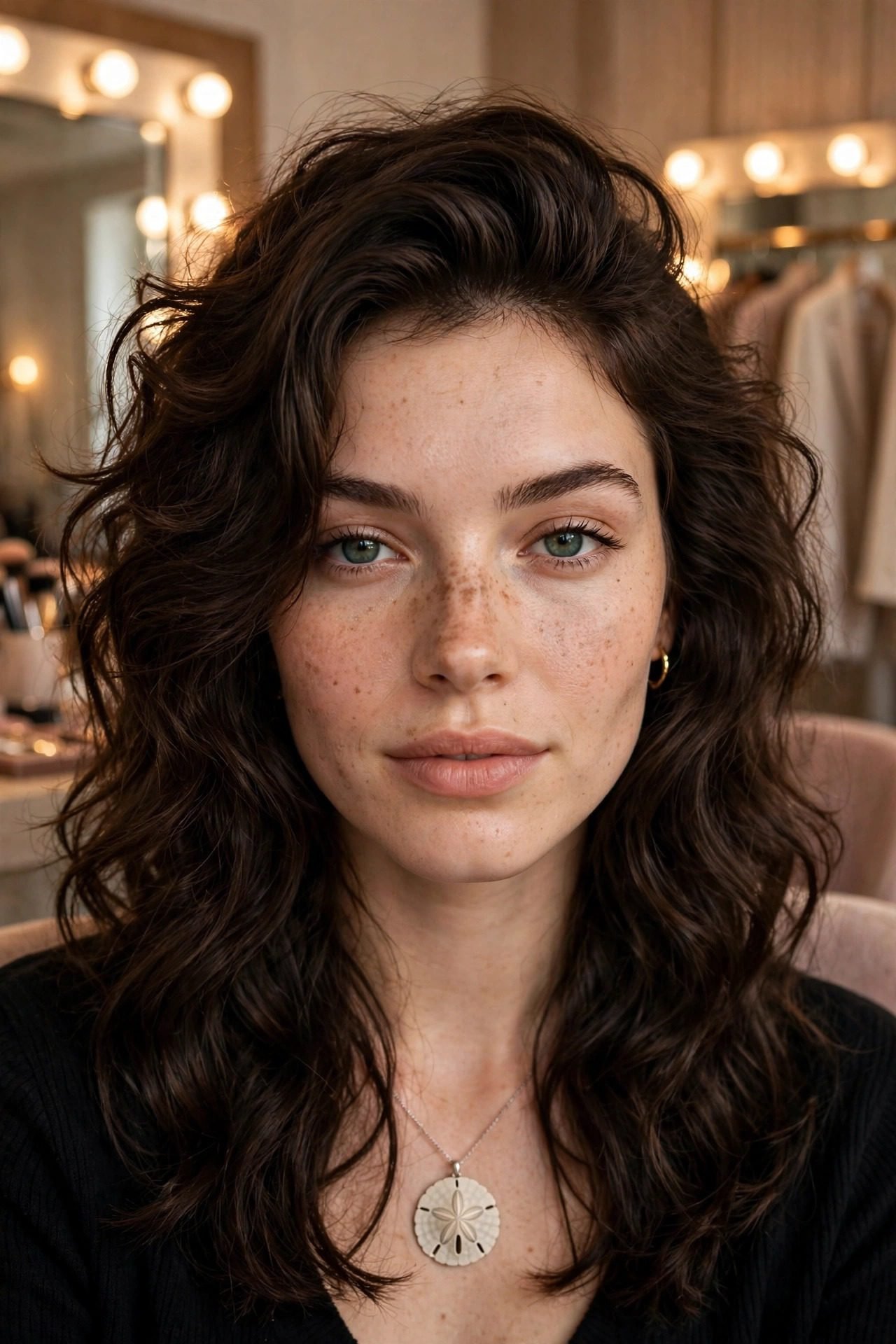
Sandy blonde is the beachy middle ground — dry, matte, slightly ashy gold that looks like salt air did the painting. It flatters tanned and golden skin tones and hides damage beautifully, which makes it a favorite for heat-styled hair. Pull everything into a low ponytail and the sandy ribboning shows along the length like grain in driftwood. Low-maintenance by blonde standards: gloss every ten weeks.
10. The Vanilla Silk

Vanilla is the palest warm-neutral on the card — creamy, soft-focus, a touch sweeter than champagne. It flatters fair skin with neutral undertones and pairs perfectly with a soft glam makeup palette of taupe and nude-brown. Vanillas need strong hair to carry the lift, so bond-builder treatments are not optional here. In exchange you get the rare blonde that looks polished with zero styling.
Cool Blonde Balayage: Ash, Pearl and Ice

Cool blonde balayage is ash and everything past it — pearl, ice, platinum — where the gold is fully stripped and the shade does the talking. These are committed tones with real upkeep attached, and they flatter cool and pink undertones hardest. Read the care demands honestly before you fall in love.
11. The Ash Haze

Ash is beige’s sharper sibling — silver-forward, zero gold, engineered to neutralize orange rather than add shine. It flatters cool and pink undertones, and it looks sharpest in slick back hairstyles where the smoke reads clean at the part. Ash balayage fades fast and can drift muddy, so alternate purple and blue shampoo weekly. This is a committed shade, not a set-and-forget one.
12. The Pearl Finish
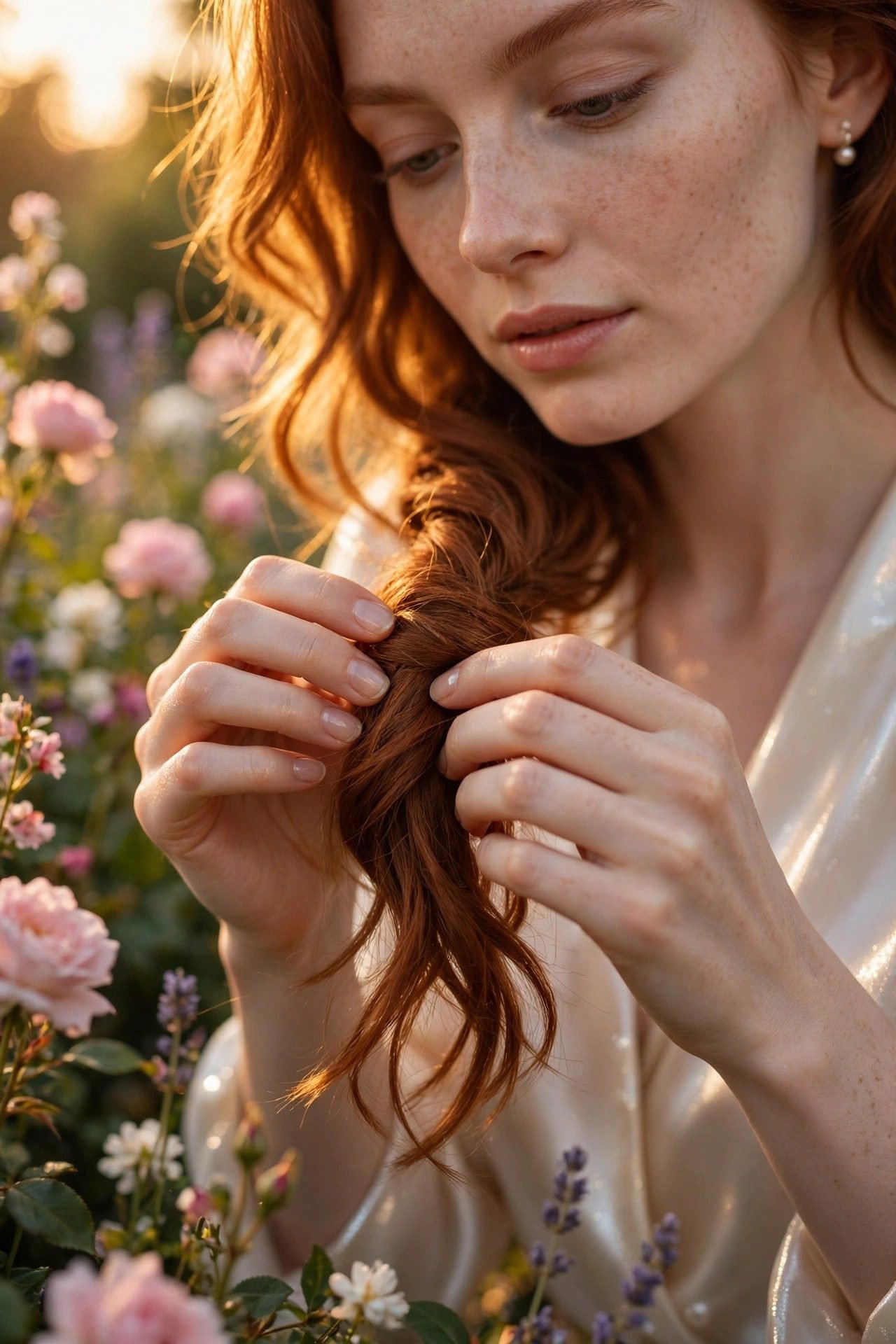
Pearl runs opalescent — white with a violet-pearl sheen that flashes pink in some light and blue in another. It suits porcelain and cool skin tones, and it is devastating on curly hairstyles where every spiral catches a different angle of the sheen. The lift is serious, so book it only with a colorist you trust. Tone every four weeks and it stays jewelry-level.
13. The Ice Glaze

Icy is the coldest stop on the card — near-white, blue-based, glassy. It demands the most lift and the most maintenance of any shade here, and it is genuinely striking on deep cool skin tones with dark lashes and brows. Purple shampoo twice a week, a shower filter, and heat styling on low are the price. Pay it, and nothing else in this deck reads as expensive.
14. The Platinum Cloud
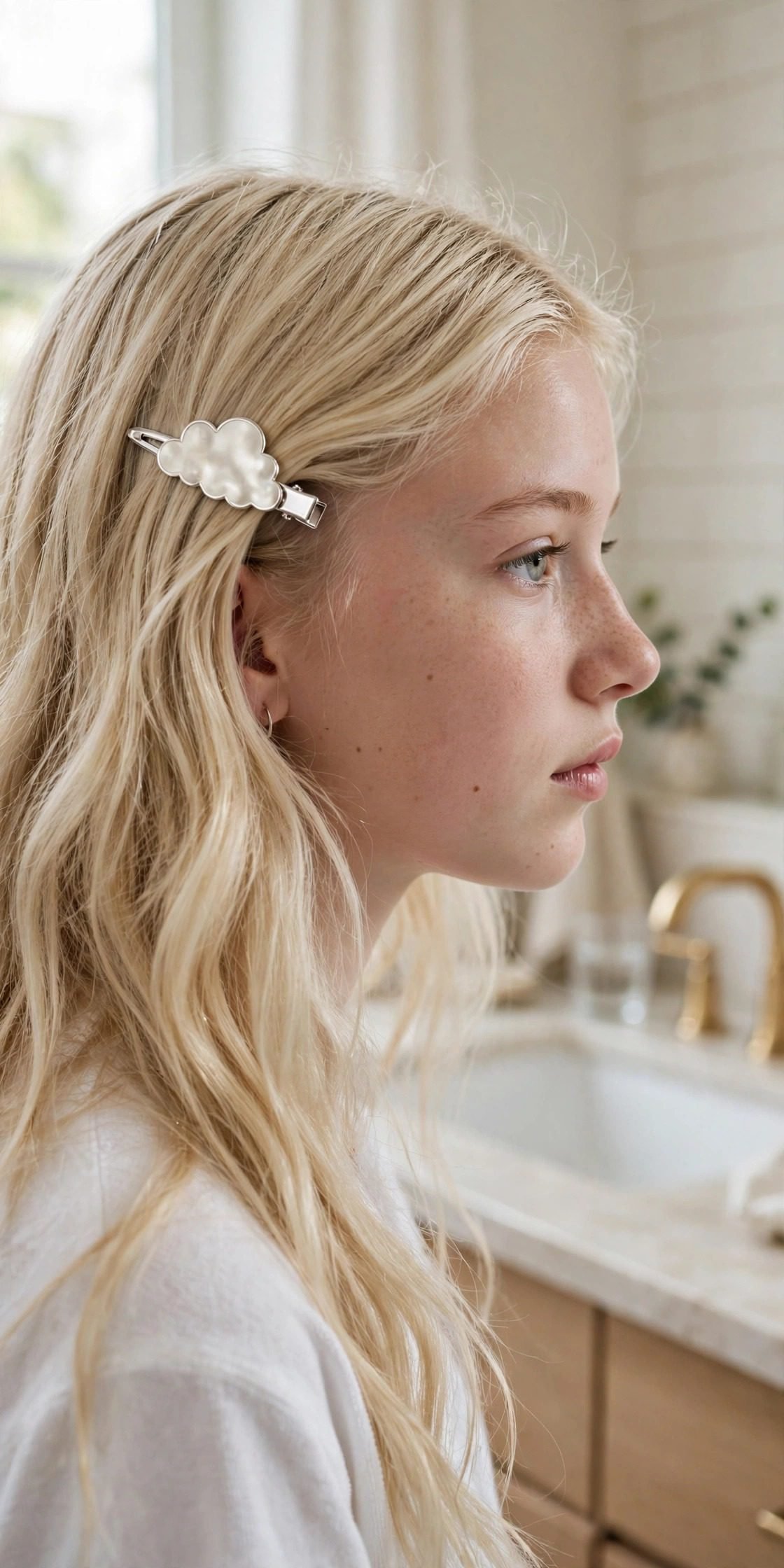
Platinum balayage is the grown-up way to go full light: near-white pieces painted over a natural base instead of a single-process bleach-out. You keep depth at the root, which means dimension, softer regrowth, and a shade that suits warm or cool undertones depending on the toner. Expect two to three sessions from a dark base. It is the boldest classic in the guide.
Statement Blonde Balayage: Money Pieces and Contrast

The statement deck is where blonde balayage stops blending in — face frames, smudges, contrast, hidden panels. These four do the most with the least, which is why they dominate every hair color trends list right now. All four work on dark bases, and three of the four need only a partial appointment.
15. The Money Piece

The money piece is the face-framing flash that took over every color trend feed — two bold panels of pale blonde painted right at the front hairline over a darker base. It costs a fraction of a full head, lifts the whole face, and shows up in every selfie without trying. Pair it with curtain bangs and the two blend into one shape. Touch up just the front at every gloss.
16. The Soft Smudge

The root smudge darkens the first inch at the scalp so the painted lightness below looks like it happened naturally — the single best trick for low-maintenance blonde. It is tailor-made for dark brown hair bases that want blonde ends without a hard regrowth line. Smudges wash out softly over eight to ten weeks, stretching your full appointments. Ask for demi-permanent; it fades on schedule instead of building up.
17. The High Contrast
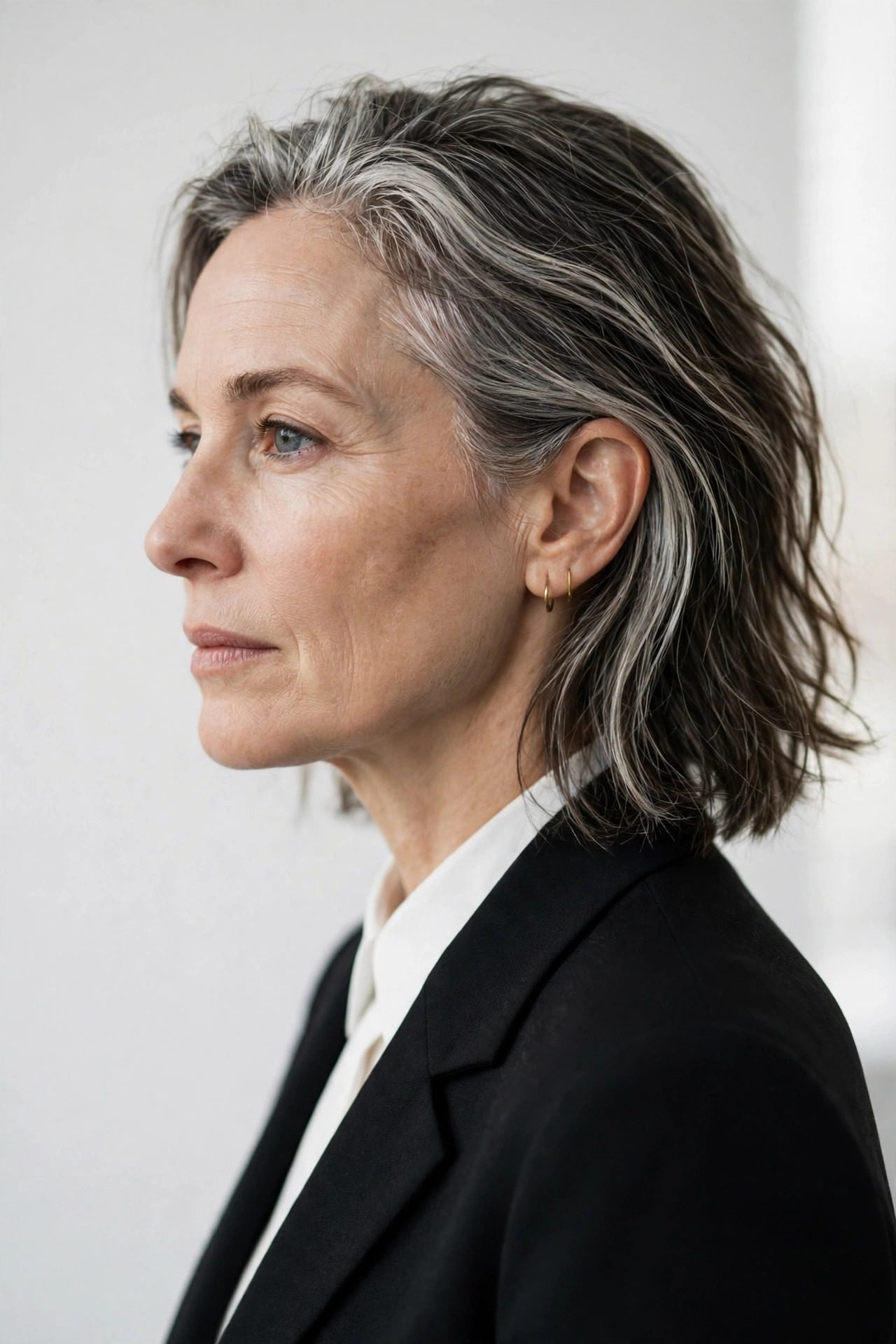
High-contrast balayage keeps the root at near-black hair color depth and paints the ends three or four levels brighter — maximum drama, maximum dimension. It is the most photogenic style here and the most structured, so book a pro rather than a box. The stark gap suits bold fashion senses and angular cuts. Gloss the light sections separately, or the contrast turns muddy at the seam.
18. The Peekaboo Light

Peekaboo balayage hides pale panels underneath a dark top layer, so the light flashes only when your hair moves or goes up — a messy bun turns it into a whole reveal. It is the lowest-risk way to try blonde with zero commitment at the surface, and it grows out invisibly. Great for office-to-weekend wardrobes. Repaint the underlayer twice a year and you are set.
Keep Your Blonde Balayage Tone-True

Blonde balayage only looks expensive while the tone holds, so build the routine around three habits. First, wash less and cooler — twice a week with sulfate-free shampoo is the baseline, because over-washing strips both tone and shine. Second, tone on schedule: purple shampoo once a week for beige and champagne shades, twice for ash and pearl, plus a salon gloss every six to eight weeks to reset what the shower slowly takes. Third, treat the hair itself, not just the color — bond builders and weekly deep masks keep painted sections from going straw-dry, which is half of what people mistake for faded color. Hard water is the hidden enemy in many US homes; a shower filter costs less than one gloss and saves all of them. Between appointments, a ten-minute gloss is the cheapest way to look expensive on a budget. Fold all of it into your regular hair care routine rather than treating blonde as a separate project — consistency beats intensity. Save this care list to Pinterest so it lives with the shade card.
Blonde Balayage: Quick Answers Before You Book
What is the difference between blonde balayage and highlights? Highlights are woven from the root up in uniform foil sections, so highlights read as consistent stripes of light. Balayage is hand-painted, concentrates light from the mid-length down, and skips most of the root — which is why it grows out soft. Choose foils for maximum all-over lift and balayage for dimension with low upkeep.
Does blonde balayage work on short hair? Yes — painted light works on anything from a pixie cut to shoulder-grazing bobs. Short hair actually shows tone shifts faster, so pieces read bolder with less product. The trade is maintenance: short cuts need the front repainted more often because it grows out in weeks, not months. Bring photos sized to your actual length.
How long does blonde balayage last before a touch-up? The painted sections never need root touch-ups — that is the whole appeal. Plan a gloss or toner every six to ten weeks to keep the tone honest, and a full repaint two to three times a year. Between visits, grown-out balayage hides happily in cute hairstyles, and one appointment covers a whole season of going-out outfits photos.
Does blonde balayage need different care in winter? It needs gentler care everywhere, honestly. Indoor heating dries painted sections faster, winter sun off snow still lifts tone, and cold-weather hats cause friction at the lightened areas. Swap to a richer mask from November, keep the purple shampoo on schedule, and follow a winter hair care routine that includes a leave-in before any wool contact.
Should my makeup change with blonde balayage? Lighter hair usually calls for softer contrast — swap deep black liner for brown, and let brows be brushed-up rather than filled dark. A natural makeup looks palette with peachy blush and champagne highlighter mirrors what the color is doing. The exception is icy and platinum: those shades carry bold lips and graphic liner beautifully.
Can dark hair get blonde balayage in one session? Sometimes, honestly. Bases at levels three to five usually need two sessions to reach true blonde without wrecking the hair, and a stylist will book blonde balayage across months with bond-builder care in between. Anyone promising platinum from a jet-black base in one afternoon is skipping steps your hair will pay for. Ask for the realistic plan.
Still deciding between two decks? Post your base color on our Facebook page and the comments will settle it.

The Final Word
Blonde balayage rewards the shade that matches your life, not just your mirror — the warm decks grow out lazy, the cool decks photograph like glass, and the statement decks change everything while touching little. Choose by undertone first and upkeep second, and the color outlasts the appointment by months. Save the full blonde balayage card to Pinterest, book the gloss, and let the grow-out do its thing.