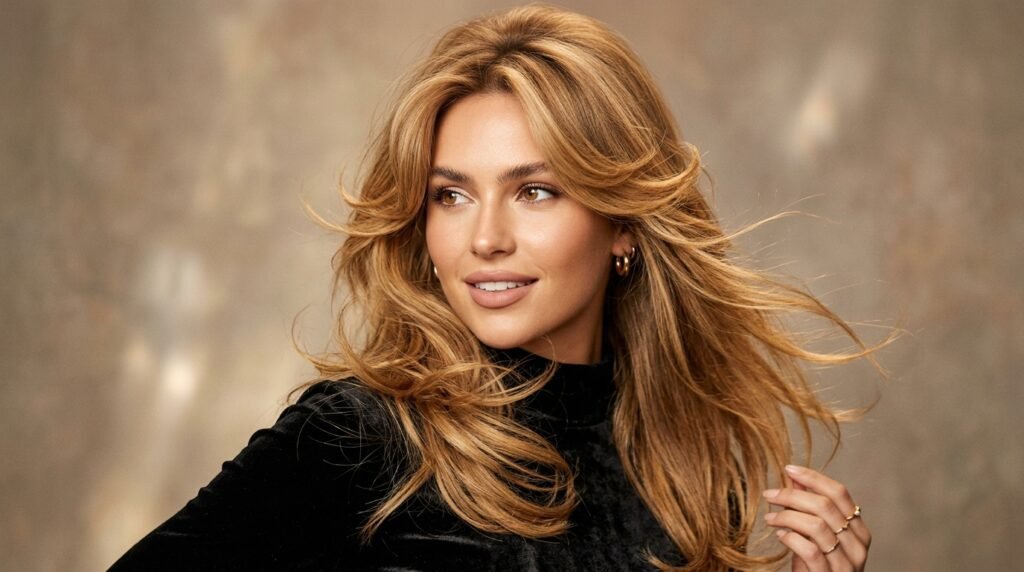

The butterfly haircut is the rare trend that asks you for everything and takes nothing — length, movement, face-framing, volume, all promised in one cut that supposedly keeps your hair long.
That “keeps your hair long” part is where the rumors start. Every stylist’s chair hosts the same debate: does the butterfly cut remove length? Is it just a blowout? Is it the wolf cut with better PR? And the clients who asked these questions after cutting — without the answers — are the ones who ended up surprised.
So this guide answers everything before the scissors open. The butterfly haircut 2026 decoded — what the cut actually is, the eleven things to know before committing, the face-shape matches, the styling reality, and the wolf-cut comparison that ends the confusion.
Eleven answers. One confident appointment.
Follow our Pinterest boards for daily haircut inspiration, and join us on Facebook so you never miss a cut guide.
1. What the Butterfly Haircut Actually Is

The butterfly is a layered cut built on two length zones — short face-framing layers at the top, long layers below, cut so the layers “flutter” when the hair moves.
The technique removes internal length (the layers) while keeping the perimeter (your longest pieces) mostly intact. The result: hair that reads long when straight down, and full, voluminous, and layered when styled. The two-look-in-one-cut is the butterfly’s entire identity — and the source of both its fame and its confusion.
2. The Butterfly vs the Wolf Cut — The Family Feud Settled

They look related because they are — but the differences decide everything.
Length: the butterfly keeps maximum perimeter length; the wolf cut chops it shorter. The butterfly’s longest pieces stay long; the wolf’s shag ends higher.
The layers’ location: butterfly layers concentrate at the face-frame and crown; wolf cut layers shag through the entire head, including the bottom.
The vibe: butterfly reads romantic, soft, styled. Wolf reads edgy, undone, rock. The butterfly is the wolf cut that went to college.
The maintenance: butterfly grows out gracefully into long layers; wolf cut needs trims to keep its shag shape. The butterfly is the low-commitment trend; the wolf is the relationship.
If you want edgy, choose the wolf from our wolf cut hair 2026 guide. If you want soft volume with length kept, the butterfly is yours.
3. Who the Butterfly Flatters Most (Face Shapes)

The butterfly’s face-framing layers are its flattery engine — and every face shape gets a version.
Round faces: the face-framing layers starting at the cheekbones draw vertical lines down — the elongation round faces need. Ask for longer face-frame pieces.
Oval faces: everything works — the oval wears the butterfly as designed. Experiment freely with the layer lengths.
Square faces: the soft, feathery layers soften the jaw’s angles — the roundness that square faces want at the frame. Keep the layers wispy, not blunt.
Heart faces: the layers starting at the chin balance the wider forehead — the volume that fills below the cheekbones.
Long faces: caution — the butterfly’s vertical face-frame lines can elongate further. Long faces want the layers starting higher, with more width in the cut.
4. The Length Question — Does It Really Keep Your Hair Long?

The honest answer: mostly yes, with one clarifying sentence.
The butterfly removes internal length — the layers inside the cut — while keeping the perimeter — your longest hanging pieces. If your hair is waist-length, the butterfly’s longest pieces stay waist-length; the layers above are what got shorter.
The catch: the shortest face-framing layers are significantly shorter — chin to collarbone territory. If you wear your hair tucked or up constantly, those short pieces will be the first thing you notice. The length kept is the length you see when hair is down and styled — the butterfly’s intended wear.
5. The Hair Types That Wear It Best

The butterfly is flexible but not universal — the honest texture map.
Straight hair: the butterfly’s best canvas — the layers show crisply, the flutter reads clearly, and the blowout does the design’s work.
Wavy hair: excellent — the waves add the movement that makes the layers flutter naturally. The butterfly was practically invented for the wavy middle.
Fine hair: the butterfly is fine hair’s best friend — the layers remove weight and create the volume fine hair cannot grow on its own. The cut that reads double the density.
Thick hair: works, with thinning — the butterfly on thick hair needs internal thinning so the layers read as layers instead of bulk. Tell the stylist the thickness up front.
Curly hair: possible with a curl-specialist — the butterfly’s face-framing works on curls when cut dry, curl by curl. The general-salon butterfly on curly hair is a gamble; the curly-specialist butterfly is a win. The curly principles from our thanksgiving curly hair guide apply to the cut’s care too.
6. The Styling Reality — What Mornings Look Like

The butterfly’s fame assumed a blowout — here is the honest styling menu.
The blowout butterfly: the trend’s iconic look — the round-brush blowout with the face-frame curled away from the face. This is the Pinterest version, and it takes fifteen to twenty minutes with a dryer and round brush. The full technique lives in our guide on how to curl hair with a straightener — the face-frame curl is the butterfly’s signature move.
The air-dry butterfly: real and good — the layers read softer, the flutter relaxes, and the look moves from styled to lived-in. A texturizing spray and the scrunch is the whole routine.
The flat-iron butterfly: sleek and straight — the layers read as subtle dimension rather than full flutter. The quietest version, and the professional-world favorite.
The curling-wand version: the face-frame pieces curled away from the face, the rest left natural — the five-minute butterfly that reads ninety-percent of the blowout. The daily reality of most butterfly wearers.
7. The Grow-Out Promise (Why the Trend Lasts)

The butterfly’s grow-out is the reason stylists love recommending it.
Because the perimeter stays long, the cut grows out into long layers — not into an awkward phase. Month three reads as a softer butterfly; month six reads as long layers; month twelve is a new butterfly appointment away. The trend that doesn’t trap you — the grow-out that was engineered to be worn, not survived.
The maintenance schedule: a dusting trim every eight to twelve weeks keeps the face-frame sharp; the full butterfly needs re-cutting every four to six months. The haircut’s calendar is gentle — the same gentle rhythm that keeps every cut in our haircuts for women 2026 guide wearing well.
8. The Butterfly on Short and Medium Hair
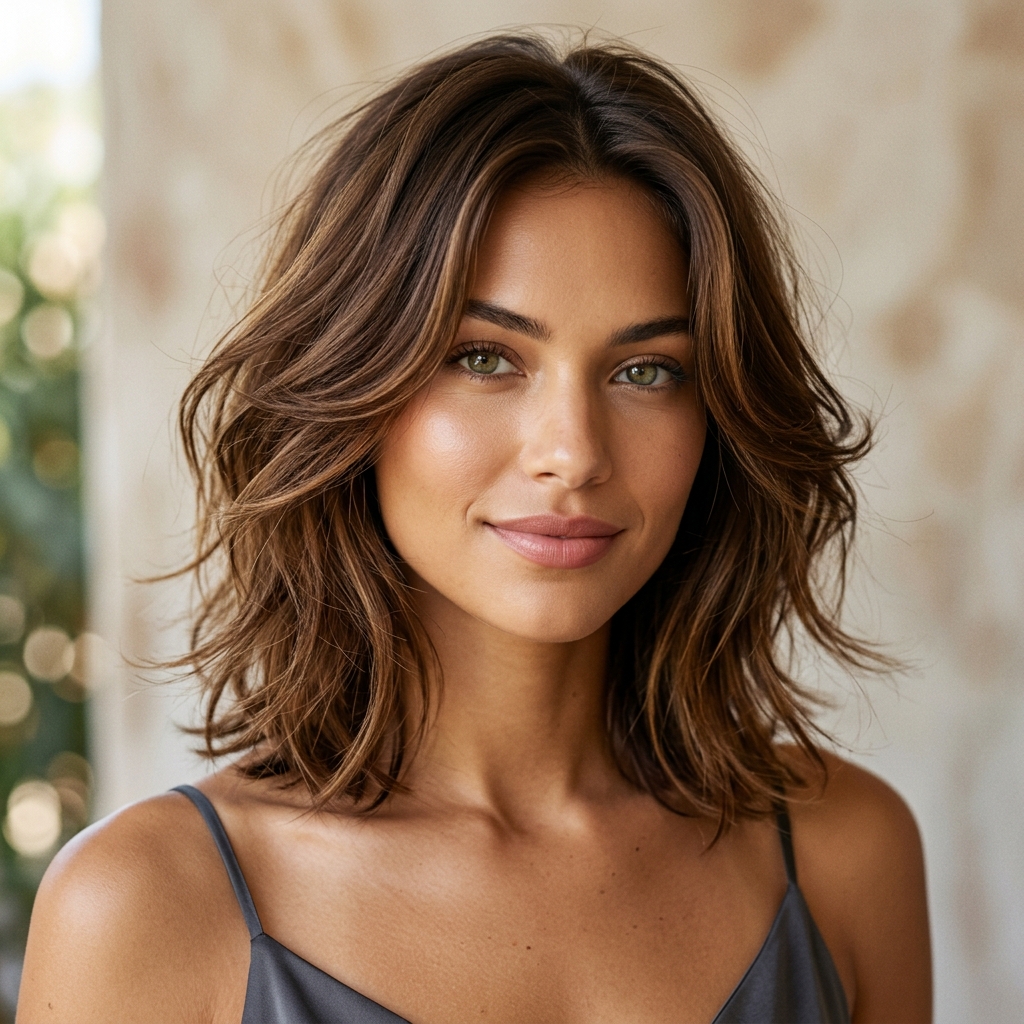
The butterfly started long — but the cut adapted.
The medium butterfly: collarbone-length butterflies are the trend’s fastest-growing version — the same face-framing with shorter layers, reading full and fluttery at shoulder length.
The short butterfly: a bob with butterfly face-framing — the layers concentrated at the frame, the perimeter shorter. Not the classic butterfly, but the face-framing flattery survives.
The honest note: the butterfly’s identity needs some length — the flutter requires layers over layers. Very short hair suits the butterfly’s cousins better: the shag from our short haircuts 2026 guide, or the layered bobs.
9. The Cost and Time Reality

The butterfly’s appointment math, honestly stated.
The cut cost: standard haircut pricing — the butterfly is a layered cut, priced like one. Twenty-five to eighty dollars depending on the salon tier, with the curly-specialist version at the higher end.
The time: forty-five minutes to an hour for the cut — the layering is detailed work. The curly-specialist butterflies run longer, cut dry and curl by curl.
The styling investment: the tools matter more than the cut — a round brush, a good dryer, and optionally a curling wand for the face-frame. The butterfly’s full glory needs its styling tools; the cut alone delivers the layers, not the flutter.
10. The Photos to Show Your Stylist

The appointment’s success is decided by the reference photos — the selection rules for the butterfly specifically.
Show the back AND the front. The butterfly’s identity lives in the face-framing — a back-only photo hides the cut’s whole point. Three photos minimum: front, side, and back.
Show the styled version you want. The blowout butterfly and the air-dried butterfly are different cuts in the chair’s mirror — bring the photo of how you will actually wear it daily.
The length clarification photo: one photo with hair down, one tucked — and ask the stylist where the shortest face-frame will land on YOUR body. The head-shake agreement before scissors is the contract that prevents surprises.
The keyword phrase: “butterfly cut with long face-framing layers, keeping my perimeter length” — the sentence that tells the stylist you know the cut, and the cut that comes back matches the Pinterest photo’s promise.
11. The Butterfly’s 2026 Status — Peak or Past?

The trend-cycle question, honestly answered.
The butterfly is not trending down — it is trending mature. The cut’s 2026 versions are refinements: softer face-frames, more internal layering options, and the curly adaptations that widened its reach. The trend peaked in visibility and settled into classic status — the haircut that became a standard, like the long bob before it.
The commitment verdict: safe to cut. The butterfly’s grow-out, its versatility, and its settled classic status make it the rare trend-cut with no expiration date. The photos that sold it in 2023 are still the photos selling it now — and the 2026 refinements made it better.
Butterfly Haircut FAQ
What is a butterfly haircut?
A layered cut built on two length zones — short face-framing layers at the top and crown, long layers below, cut so the layers flutter when styled. The perimeter stays long while the internal layers create volume and movement — the two-looks-in-one-cut that reads long when down and full when styled.
Does the butterfly haircut cut off your length?
The internal layers yes, the perimeter mostly no — the longest hanging pieces stay at your current length while the layers inside get shorter. The shortest face-frame lands chin to collarbone, which is the visible length change the rumors reference.
What is the difference between a butterfly haircut and a wolf cut?
Three differences: the butterfly keeps perimeter length while the wolf chops shorter, the butterfly’s layers concentrate at the face-frame while the wolf shags everywhere, and the butterfly reads romantic while the wolf reads edgy. Same family, different personalities.
Does the butterfly haircut work on curly hair?
Yes, with a curl specialist cutting dry and curl by curl — the face-framing works beautifully on curls when cut correctly. The general-salon wet-cut version on curls is the gamble to avoid; the specialist version is the win.
How often does a butterfly haircut need maintenance?
A dusting trim every eight to twelve weeks keeps the face-frame sharp, with the full butterfly recut every four to six months. The grow-out is engineered to be graceful — the cut softens into long layers rather than an awkward phase.
More questions? Ask us on Facebook and we will help you brief your stylist before the chair.

The Rumors End at the Chair
Eleven answers, one skill ladder, and the wolf-cut feud settled — the butterfly haircut 2026 is the trend that asked for trust and earned it with engineering.
Study the eleven tonight. Screenshot the three photos for your stylist. Say the keyword sentence in the chair. And when the layers flutter for the first time in the mirror, the trend that promised everything will have delivered exactly what it said.
Save this guide to our Pinterest boards so it travels to your appointment, and pair the new cut with the styling from our guide on how to curl hair with a straightener and the cut family in our trending haircuts 2026 guide.
New cut guides every week. Stay layered, stay fluttering! 🦋