
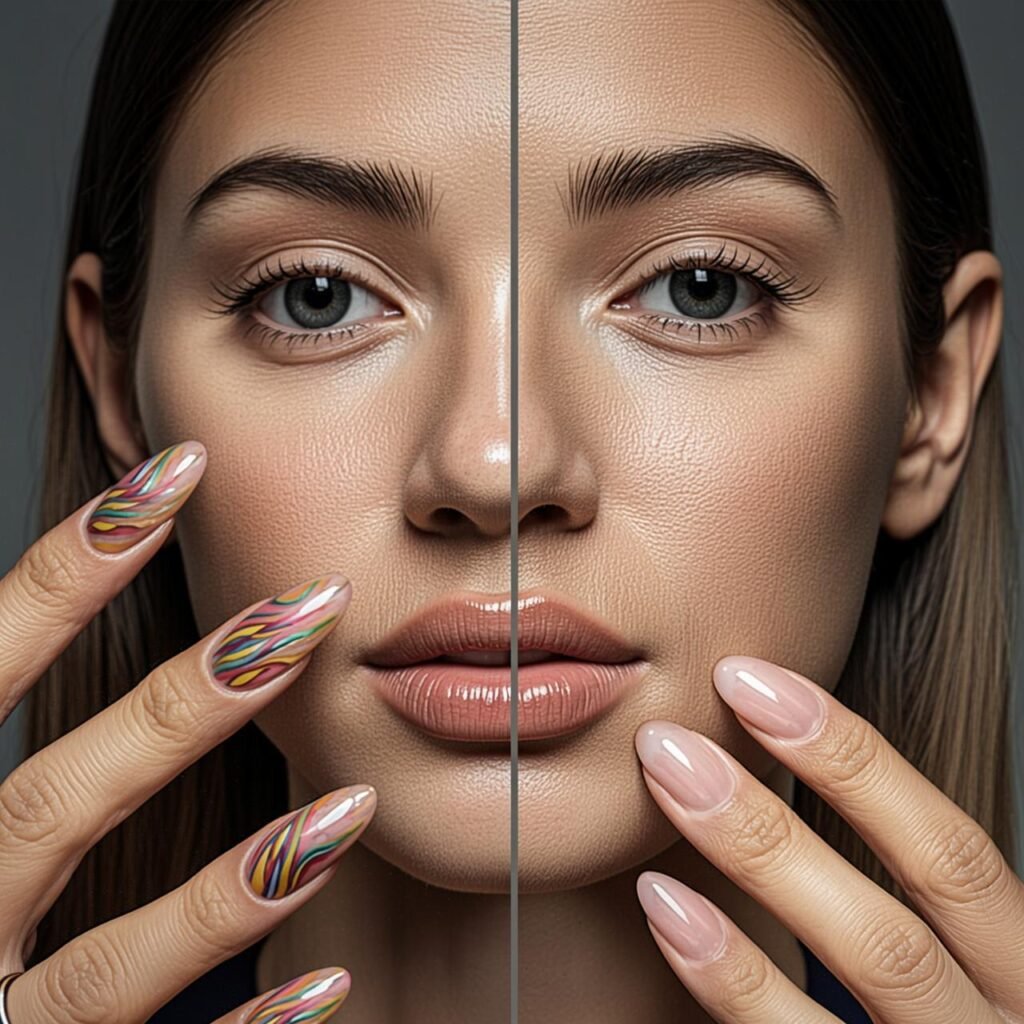
If you love keeping up with the latest beauty trends, you’ve likely found yourself staring at the salon menu, completely torn between two popular options: acrylic and gel. The debate of acrylic vs gel nails is one that every beauty enthusiast eventually encounters. Both offer stunning, long-lasting results, but they are fundamentally different in how they are applied, maintained, and removed.
Choosing the right manicure isn’t just about picking the prettiest color; it’s about understanding what your natural nails need, your lifestyle, and how much time you’re willing to invest in upkeep. Whether you are looking for inspiration on Pinterest for your next salon visit or just trying to understand the hype, knowing the facts is essential. In this comprehensive guide, we will break down everything you need to know about acrylic vs gel nails so you can make an informed decision on your next salon visit.

What Are Acrylic Nails?

Acrylic nails have been a staple in the beauty industry for decades. They are known for their durability and ability to add significant length to short or bitten natural nails.
An acrylic manicure involves mixing a liquid monomer with a powder polymer to create a paste. This paste is then applied directly to the natural nail (often over a plastic tip or form) and left to air dry. Once dry, the acrylic hardens into a tough, protective shell that can be filed and shaped into whatever length or style you desire. If you want to see some stunning examples of what this material can do, check out these trendy acrylic nail designs 2026 to get inspiration for your next appointment.
The Pros of Acrylic Nails
- Incredible Durability: Acrylics are incredibly hard. If you work with your hands or are prone to breaking nails, acrylics offer a tough shield that protects your natural nails underneath.
- Extreme Length: Because they are so strong, acrylics can extend the nail far beyond its natural length without bending or snapping. This makes them perfect for dramatic shapes like stiletto or coffin.
- Cost-Effective: Generally, acrylic manicures are slightly cheaper than gel extensions, making them a budget-friendly option for long-term wear.
- Easy to Fix: If an acrylic nail breaks, a nail tech can easily patch it with a bit more acrylic mixture, saving the whole manicure without needing a full replacement.
The Cons of Acrylic Nails
- Harsh Chemicals: The application process involves strong fumes from the liquid monomer, which can be overwhelming in poorly ventilated salons.
- Appearance: If not applied perfectly or if they begin to lift, acrylics can look slightly thicker and less natural than gel nails.
- Nail Damage: The removal process requires soaking in pure acetone and often heavy filing. If done improperly, it can severely thin your natural nails.
What Are Gel Nails?

Gel nails have surged in popularity over the last few years, becoming the go-to choice for those who want a natural-looking, glossy finish. Unlike acrylic, gel polish comes in a bottle and is applied similarly to traditional nail polish. However, it cures (dries) under a UV or LED lamp rather than air-drying.
There are two main types of gel manicures: soft gel (regular gel polish that soaks off easily) and hard gel (which is used to build out the length and structure of the nail, similar to acrylic, but cures under a light). If you’ve browsed the latest gel nail designs 2026, you’ve likely seen the beautiful, high-shine results this method produces.
The Pros of Gel Nails
- Natural Look and Feel: Gel is much lighter and thinner than acrylic. It conforms to the natural shape of your nail bed, giving a highly realistic appearance.
- High Gloss Shine: The shine of a gel manicure is unmatched. It stays glossy for weeks without dulling, giving your hands a constantly fresh look.
- No Harsh Fumes: Gel application is odorless, making the salon experience much more pleasant for both you and the nail technician.
- Faster Curing: Because gel cures under a UV/LED lamp in seconds, the application process is generally faster than waiting for acrylic to air dry.
The Cons of Gel Nails
- Less Durable: Gel is more flexible than acrylic, which means it can be more prone to peeling or chipping if you use your nails as tools.
- UV Light Exposure: The curing process requires UV light. While the risk is low, some people prefer to wear fingerless UV-protective gloves during the curing process to protect their skin.
- Harder to Repair: If a gel nail breaks, it cannot be easily patched. You usually have to remove the gel on that finger and reapply it entirely.
Acrylic vs Gel Nails: The Key Differences

To truly settle the acrylic vs gel nails debate, let’s compare them side-by-side across four main categories: durability, application, removal, and nail health.
1. Durability and Strength
If you want unbreakable nails, acrylic is the winner. Its rigid structure makes it highly resistant to impact. Gel nails, while durable, are softer and more flexible. If you have a highly active lifestyle or do a lot of manual typing, housework, or crafting, acrylic will likely hold up better. However, if you treat your hands gently, gel will easily last you two to three weeks without chipping.
2. Application Process
Acrylic application requires skill to mix the right ratio of liquid to powder. It smells strong and takes time to shape before it air-dries. Gel application is smoother and cleaner. The tech brushes on the gel, puts your hand under the lamp for 30-60 seconds, and the polish is instantly hardened. This makes gel a much quicker process for simple manicures.
3. Removal Process
Neither acrylic nor hard gel should be peeled off at home—doing so will rip off the top layers of your natural nail. Both require soaking in acetone. However, soft gel polish is generally easier and faster to soak off than acrylics. Acrylics often require 20-30 minutes of soaking in pure acetone, followed by gentle filing to remove the remaining residue.
4. Nail Health and Safety
Neither option is inherently “good” for your nails, as both require the natural nail plate to be filed down slightly for adhesion. However, gel is generally considered slightly safer for the nail bed because it is more flexible and moves with the natural nail. Acrylic’s rigidness can cause the natural nail separation if the acrylic is snagged. To see what shapes work best for different nail types, you can explore these beautiful nail designs 2026 and discuss them with your technician.
How to Choose Between Acrylic vs Gel Nails
Still not sure which one is right for you? Here is a quick checklist to help you decide based on your lifestyle:
Choose Acrylic Nails If:
- You want extreme length (like long stiletto or coffin shapes).
- You work with your hands and need heavy-duty, unbreakable nails.
- You are on a tighter budget.
- You love the look of intricate, 3D nail art that requires a strong, thick base.
Choose Gel Nails If:
- You prefer a natural, lightweight feel on your fingers.
- You want a high-gloss, glass-like finish that lasts for weeks.
- You are sensitive to strong chemical smells.
- You prefer shorter to medium-length nails (like short square or almond shapes).
Tips for Maintaining Your Manicure

No matter which side of the acrylic vs gel nails debate you land on, proper aftercare is essential for making your manicure last and keeping your natural nails healthy.
- Moisturize Daily: Both acrylic and gel can dry out your natural nails and cuticles. Apply cuticle oil twice a day to keep the surrounding skin hydrated and prevent lifting.
- Wear Gloves: When washing dishes or using harsh cleaning chemicals, always wear rubber gloves. Prolonged exposure to water and chemicals breaks down the bond of both acrylic and gel.
- Don’t Use Your Nails as Tools: Never use your freshly manicured nails to open soda cans, scrape off labels, or pry things open. This is the number one cause of breakage for both gel and acrylic.
- Schedule Fills: For acrylics, you will need to get a “fill” every 2 to 3 weeks as your natural nail grows out, leaving a gap at the base. Hard gel also requires fills, while soft gel polish is usually entirely removed and reapplied.
To stay updated on the latest beauty and nail trends, be sure to follow our Facebook page where we share daily inspiration and tips!
Frequently Asked Questions (FAQs)
1. Which lasts longer, acrylic or gel nails?
Acrylic nails generally last longer than gel nails because they are harder and more rigid. While gel manicures typically last about two to three weeks before chipping or peeling, acrylics can last up to four weeks before they require a fill, provided they are applied correctly and maintained well.
2. Are gel nails safer for natural nails than acrylic?
Gel nails are often considered slightly safer because they are more flexible and move naturally with your nail. However, the safety of both manicures heavily depends on the application and removal processes. Proper removal (soaking in acetone rather than forcing them off) is crucial for both to prevent severe damage to the natural nail bed.
3. Can I get gel polish over acrylic nails?
Yes! In fact, this is a very common request at salons. A nail technician will apply the acrylic to build the length and shape, and then apply a gel polish on top for the color. This gives you the strength of acrylic combined with the high-gloss shine and color variety of gel.
4. Why do my gel nails peel off after a few days?
If gel nails peel off quickly, it is usually due to improper preparation of the nail bed before application. If the nail wasn’t properly dehydrated and primed, or if there was oil or lotion left on the nail, the gel will not adhere properly. Another cause could be curing the gel under an old or weak UV/LED lamp.
5. Is the UV light used for gel nails dangerous?
The UV lamps used to cure gel nails emit a very low level of UV radiation. While the risk is relatively low, dermatologists recommend applying a broad-spectrum sunscreen to your hands 20 minutes before your appointment or wearing fingerless UV-protective gloves during the curing process to minimize any potential skin damage.
Conclusion
When it comes down to acrylic vs gel nails, there is no universal “right” answer—it all depends on your personal preferences, lifestyle, and nail goals. Acrylics are the undefeated champions of strength and length, making them ideal for those who want dramatic, durable nails. On the other hand, gel nails offer a lightweight, glossy, and natural aesthetic that is perfect for those who want a low-maintenance, natural-looking enhancement.
Whichever you choose, always ensure you go to a licensed, reputable nail technician. Proper application and safe removal are the most critical factors in ensuring your natural nails stay healthy underneath. Once you find the manicure that works for you, you can start experimenting with all the gorgeous, trendy designs the beauty world has to offer!